



The platform

One operating system for the whole practice

iScript.live unifies the electronic medical record, consultation workflow, telehealth, e-prescribing, medical-scheme claim switching, pathology and full financial control — in a single multi-tenant platform that a practice can be live on in days.

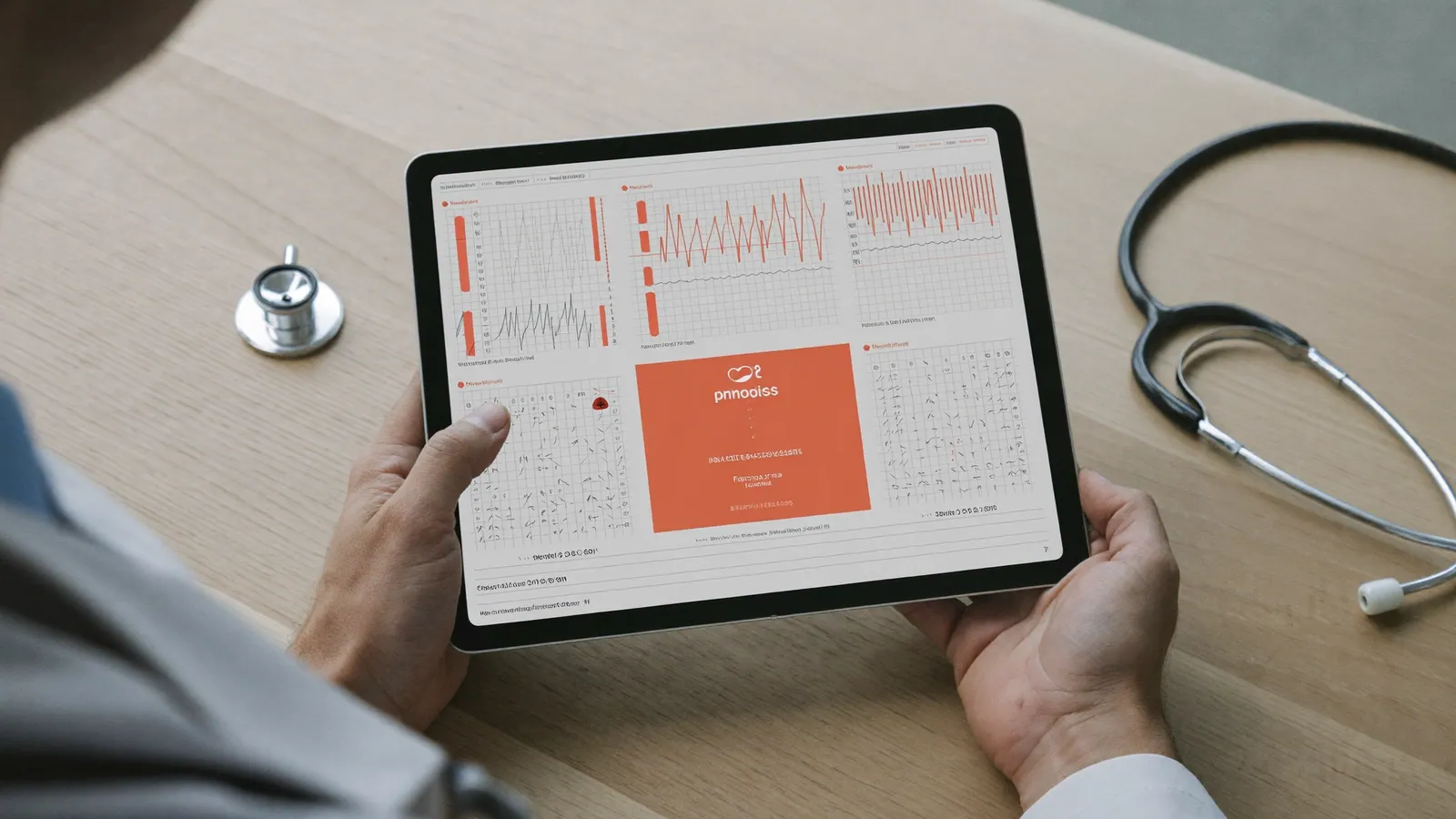
A clinician's hands holding a tablet showing clinical charts, a stethoscope on the desk

Architecture

Four layers, one record

An API-first, multi-tenant architecture with a production data model of more than 150 entities. The point of the design is simple: a clinical fact should be captured once, in structure, and then be usable by everything downstream — the claim, the ledger, the care plan and the intelligence layer.

Tenant layer

Every practice is a tenant with its own branding, subdomain, users, roles and data. Row-level isolation and cryptographic separation mean a group practice with six sites and an independent single-doctor room run on the same code with no shared data.

Clinical layer

Patients, encounters, structured consultation templates, vitals, care plans, prescriptions, clinical time logging and documents — the clinical record as the primary object, not an attachment to an invoice.

Integration layer

MediKredit claim switching, Ampath pathology, WhatsApp Business API, voice over IP, transactional email, card payment collection and ERPNext financial control — each a first-class integration, not a CSV export.

Governance layer

Consent records, POPIA subject-access handling, immutable audit trails, role-based access and scope enforcement — logged on every read, write and export with actor, timestamp and reason.

In production today

What a practice gets on day one

Everything on this list is live and in daily use. We keep the roadmap and the reality on separate lists on purpose.

Live

Multi-tenant clinical core

A production data model of more than 150 entities spanning clinical, billing, inventory, claims, communications and compliance — with row-level tenant isolation, so every practice's data is cryptographically its own.

Live

Structured consultation workflow

28 structured clinical consultation templates and 12 condition templates that turn a consultation into structured data rather than a free-text note attached to an invoice.

Live

Real-time medical-scheme claim switching

MediKredit doctor integration built to XML specification 3.53 over certificate-based mutual TLS: member and benefit eligibility, claim submission, item-level rejection handling, reversals and electronic remittance advice.

Live

Bidirectional pathology

Ampath integration across seven endpoints, parsing XML and PDF reports into discrete values, units and reference ranges. Abnormal flags raise clinician tasks automatically, with a results poller running every 30 minutes.

Live

Coding and tariff intelligence

A billing tariff library of 25 798 codes including NAPPI, and the full ICD-10 Master Industry Table with validation edits applied before a claim is ever transmitted.

Live

Telehealth, e-prescribing and messaging

Low-latency video consultations with clinical context in-frame, compliant electronic prescriptions, WhatsApp Business API messaging, voice over IP and card payment collection — all in production.

In development

The consulting room

Ambient clinical scribe

The consultation writes the record, and the clinician signs it.

One microphone, started once at the beginning of the consultation. Speech is transcribed live on a medical speech model prompted per consultation with the patient's own medicines, allergies and recorded conditions alongside South African drug names and scheme vocabulary. In a telehealth call the clinician and the patient are captured as two discrete audio channels, so who said what is a fact rather than a statistical guess. The conversation then proposes the fields of the structured consultation workflow — presentation, history, examination, differential and SOAP — and every proposal carries the passage of the conversation it came from. Nothing reaches the clinical record until the clinician confirms it, and a proposal that cannot point at something actually said is discarded rather than written.

Documentation is the largest uncompensated cost in a consulting room, and the scribe products competing for it stop at a note the clinician then re-types elsewhere. Because the record here is already structured, the same conversation can carry through to the ICD-10 code, the tariff and the claim. The safety line is drawn deliberately: prescriptions, doses and billing codes are excluded from automatic proposal, because a mis-heard dose is a patient-safety event and a mis-heard tariff is a fraudulent claim.

A doctor speaking during a consultation while a monitor shows an audio waveform

In development

Built, and being proven in a live practice before it is called finished

Trust and compliance

Your patients' data, guarded

Clinical software carries the most sensitive data a person has. Compliance is designed into the platform rather than certified around it afterwards.

POPIA

Lawful processing, consent management, data residency and subject-access handling built into the platform rather than bolted onto it.

HPCSA

Aligned to HPCSA Booklets 10 and 20 on telemedicine and the keeping of patient records, with immutable audit trails on every clinical artefact.

Encryption

AES-256 at rest, TLS 1.3 in transit, and row-level cryptographic isolation between tenants.

Interoperability

HL7 FHIR, ICD-10 Master Industry Table, CMS Prescribed Minimum Benefits, BHF practice-code numbering and NAPPI.

Innovation

Clinical intelligence, built for South African medicine

Existing South African clinical software is administrative: it records what a clinician decided. It does not help them decide. This is the work that changes that — and an honest account of which parts are built, which are in development, and what we are deliberately not claiming.

The decision-support engine

Four stages, inside the consultation

The engine runs while the clinician works, not afterwards as a report. Stage four is the distinguishing constraint and the one most international products ignore entirely: the plan must be simultaneously clinically correct and fundable.

It is calibrated for South African conditions, with explicit prevalence weighting for HIV, tuberculosis, hypertension, type-2 diabetes and maternal and child health. A model calibrated on low-prevalence populations is not merely less accurate here — it is unsafe.

A doctor speaking during a consultation while a monitor shows an audio waveform
01

Understand

Natural-language concept extraction from free text, dictated voice, structured vitals and device telemetry — turning what was said and measured into clinical concepts.

02

Reason

Contextual differential diagnosis combining probabilistic machine learning with a deterministic expert-rule layer encoding South African standard treatment guidelines.

03

Stratify

Algorithmic risk stratification computing acute-escalation and chronic-complication scores against the patient's own trajectory, not a population average.

04

Fund

An evidence-based management plan cross-referenced to CMS Prescribed Minimum Benefit pairs and the Chronic Disease List — because a correct plan a scheme will not pay for is not implementable in South African practice.

The signal layer

A platform that displays a reading, versus one that notices something

A point-of-care glucose analyser, a cellular blood-pressure monitor and a laboratory chemistry panel are three different things — different transports, encodings, sampling frequencies and reliability characteristics. In South African practice today they arrive in three different places and a person reconciles them.

A clinician silhouetted against a glowing network of connected clinical data

This project builds one ingestion and normalisation fabric that converts all of them into a single time-ordered clinical event stream carrying provenance, device identity, calibration state and confidence on every observation — in a form the decision-support engine reasons over natively.

A home blood-pressure trend, a point-of-care HbA1c, a laboratory creatinine and a medication-adherence signal are individually unremarkable. Read together against a diabetic patient's trajectory, they identify a deteriorating renal picture months before an acute event.

The programme

What is built, what is being built

Health technology is full of roadmaps presented as products. Here is the honest version, workstream by workstream.

In development

Ambient clinical scribe

The consultation writes the record, and the clinician signs it.

What it is

One microphone, started once at the beginning of the consultation. Speech is transcribed live on a medical speech model prompted per consultation with the patient's own medicines, allergies and recorded conditions alongside South African drug names and scheme vocabulary. In a telehealth call the clinician and the patient are captured as two discrete audio channels, so who said what is a fact rather than a statistical guess. The conversation then proposes the fields of the structured consultation workflow — presentation, history, examination, differential and SOAP — and every proposal carries the passage of the conversation it came from. Nothing reaches the clinical record until the clinician confirms it, and a proposal that cannot point at something actually said is discarded rather than written.

Why it matters here

Documentation is the largest uncompensated cost in a consulting room, and the scribe products competing for it stop at a note the clinician then re-types elsewhere. Because the record here is already structured, the same conversation can carry through to the ICD-10 code, the tariff and the claim. The safety line is drawn deliberately: prescriptions, doses and billing codes are excluded from automatic proposal, because a mis-heard dose is a patient-safety event and a mis-heard tariff is a fraudulent claim.

In development

Clinical decision-support engine

The first South African practice platform that thinks alongside the clinician.

What it is

A four-stage engine that runs during the consultation: natural-language concept extraction from free text, dictated voice, vitals and device telemetry; contextual differential diagnosis combining probabilistic machine learning with a deterministic rule layer encoding South African standard treatment guidelines; algorithmic risk stratification; and generation of a management plan cross-referenced to CMS Prescribed Minimum Benefit pairs and the Chronic Disease List.

Why it matters here

A model calibrated on low-prevalence populations is not merely less accurate in South Africa — it is unsafe. This engine is weighted for HIV, tuberculosis, hypertension, type-2 diabetes and maternal and child health.

In development

Device-agnostic clinical signal layer

One common representation for every clinical signal, whatever produced it.

What it is

A single ingestion and normalisation fabric that converts point-of-care analyser output, remote-monitoring telemetry and laboratory data into one time-ordered clinical event stream carrying provenance, device identity, calibration state and confidence on every observation — in a form the decision-support engine reasons over natively.

Why it matters here

A home blood-pressure trend, a point-of-care HbA1c, a laboratory creatinine and an adherence signal are individually unremarkable. Read together against a diabetic patient's trajectory, they identify a deteriorating renal picture months before an acute event.

In development

Point-of-care testing integration

Diagnosis and treatment completed in a single visit.

What it is

Driver-level integration over Bluetooth Low Energy, USB and serial for glucose and HbA1c, lipid panels, C-reactive protein, cardiac markers and urinalysis — with full provenance and quality-control state, decision-support integration, and correct tariff and NAPPI mapping onto the claim.

Why it matters here

In rural and peri-urban practice a laboratory turnaround means a second visit the patient may never make. A result in the room changes the clinical outcome, not just the workflow.

In development

Remote patient monitoring for chronic care

Chronic disease managed as a trajectory, not a series of visits.

What it is

Chronic-care monitoring on Transtek TeleRPM blood-pressure monitors, glucose meters, scales and pulse oximeters with AnyHub cellular gateways — cellular-first, so a patient does not need a smartphone. Per-patient alert thresholds, decision-support fusion, and PMB and chronic-benefit billing integration.

Why it matters here

The founder already operates chronic care management and remote monitoring at scale in the United States through iScript.care. This brings a proven operating model into the South African regulatory, connectivity and reimbursement context.

In development

Claim-integrity pre-adjudication

Claims that are right the first time.

What it is

Validating a claim against clinical, benefit and tariff rules before transmission, rather than reconciling rejections weeks afterwards.

Why it matters here

Industry first-pass rejection runs between 8% and 15%, stretching practice billing cycles from a fortnight to two months. The target is below 1.5%.

Planned

Imaging and autonomous chronic pathways

Deliberately later, and for a reason.

What it is

Diagnostic imaging with computer-vision triage, and an event-driven autonomous pathway for stable chronic patients under clinician oversight, are planned for a second phase.

Why it matters here

Both depend on the clinical signal layer being built and proven first, and the decision-support engine being formally validated against blinded expert panels. Building them in parallel would put both at risk.

Intellectual honesty

What we do not claim as innovation

It matters that a company building clinical AI is precise about the boundary between the genuinely new and the merely necessary. These are the parts of the platform we consider good engineering rather than innovation, and we fund them ourselves:

  • Delivery over the web, and the software-as-a-service model itself
  • Cloud hosting and computer hardware
  • Licensed, generic and business-process software, including development tooling
  • The ERPNext financial integration — sound engineering, but not an innovation claim
  • Feature parity with incumbents on billing and reporting — necessary catch-up, funded by us

Intellectual property

Owned here

All source code, model weights, trained parameters, data pipelines, device drivers, patents and trade marks reside in Lighthouse iScript (Pty) Ltd, a South African company. The validation corpus is South African and stays here.

Two patent applications are planned from this programme: the device-agnostic clinical signal ingestion and normalisation method, and the claim-integrity pre-adjudication method.

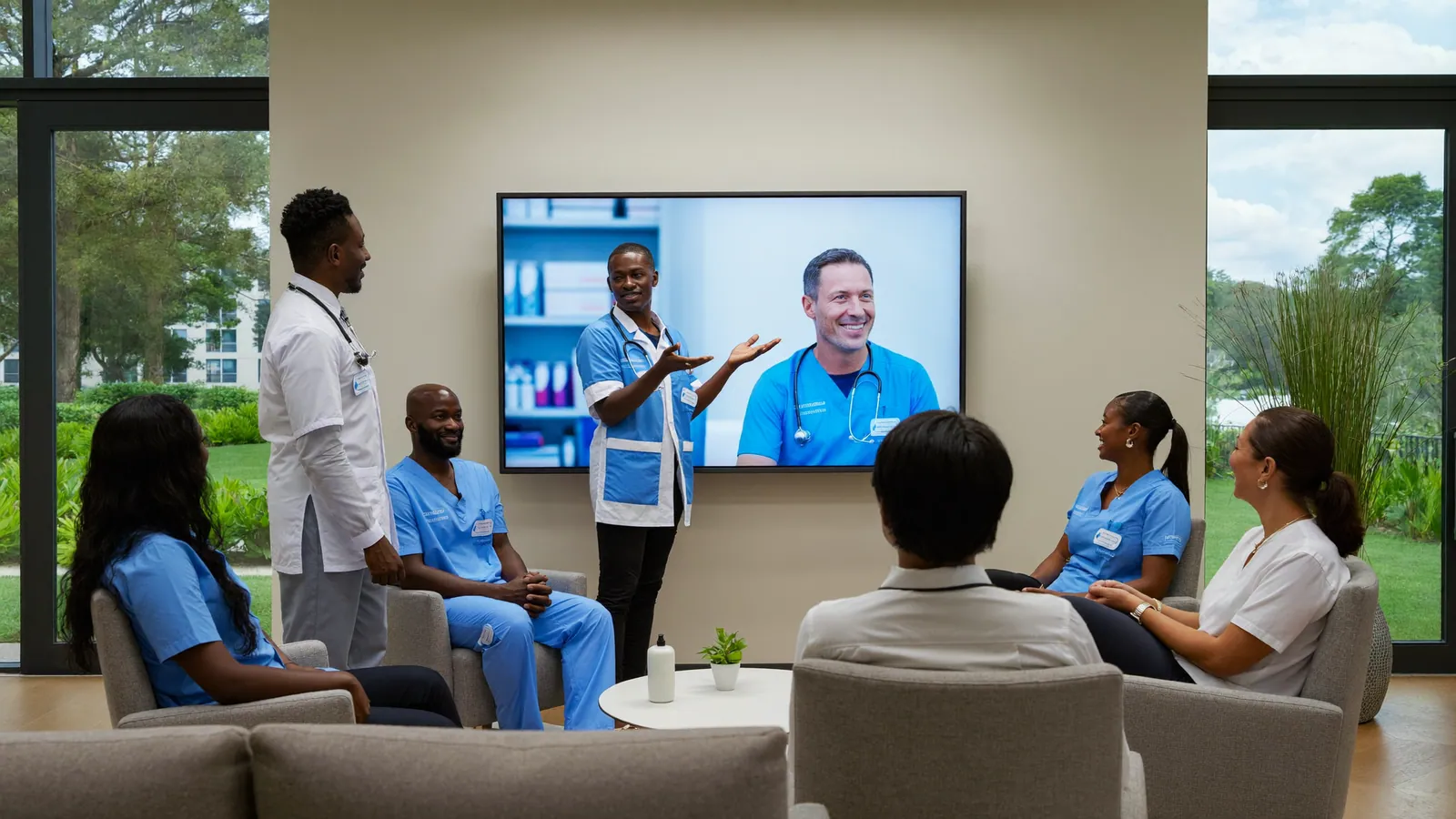
Six healthcare professionals outside a modern medical centre

Bring your practice onto the platform

The clinical platform is free. See what that is worth to you.

Move four sliders and the comparison is yours — against what a South African practice typically pays seven separate suppliers for the same job.

Just practise.

No card needed. Credits never expire.

We use analytics cookies to improve iScript.live. Privacy