
Ambient clinical scribe
The consultation writes the record, and the clinician signs it.
What it is
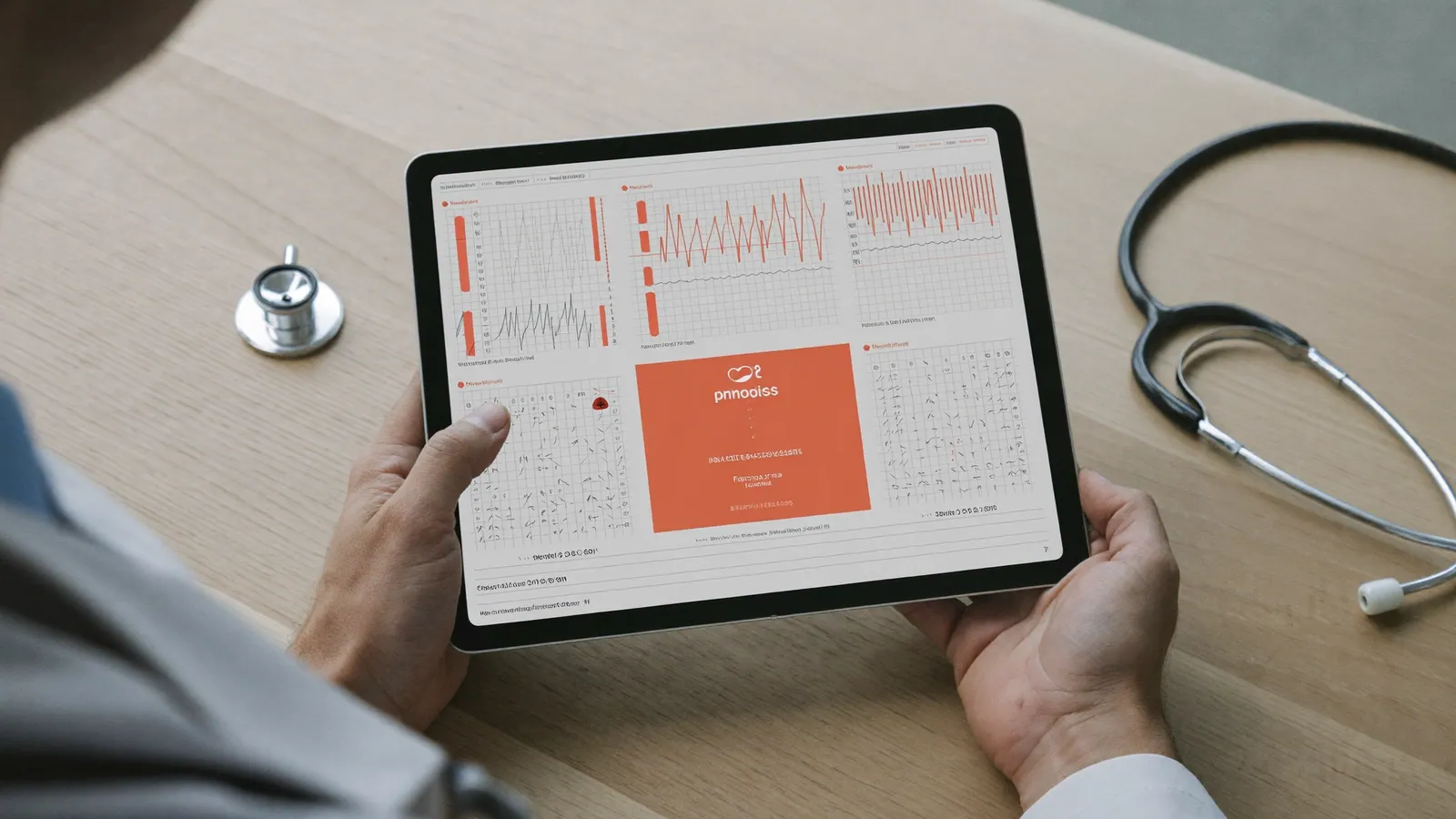
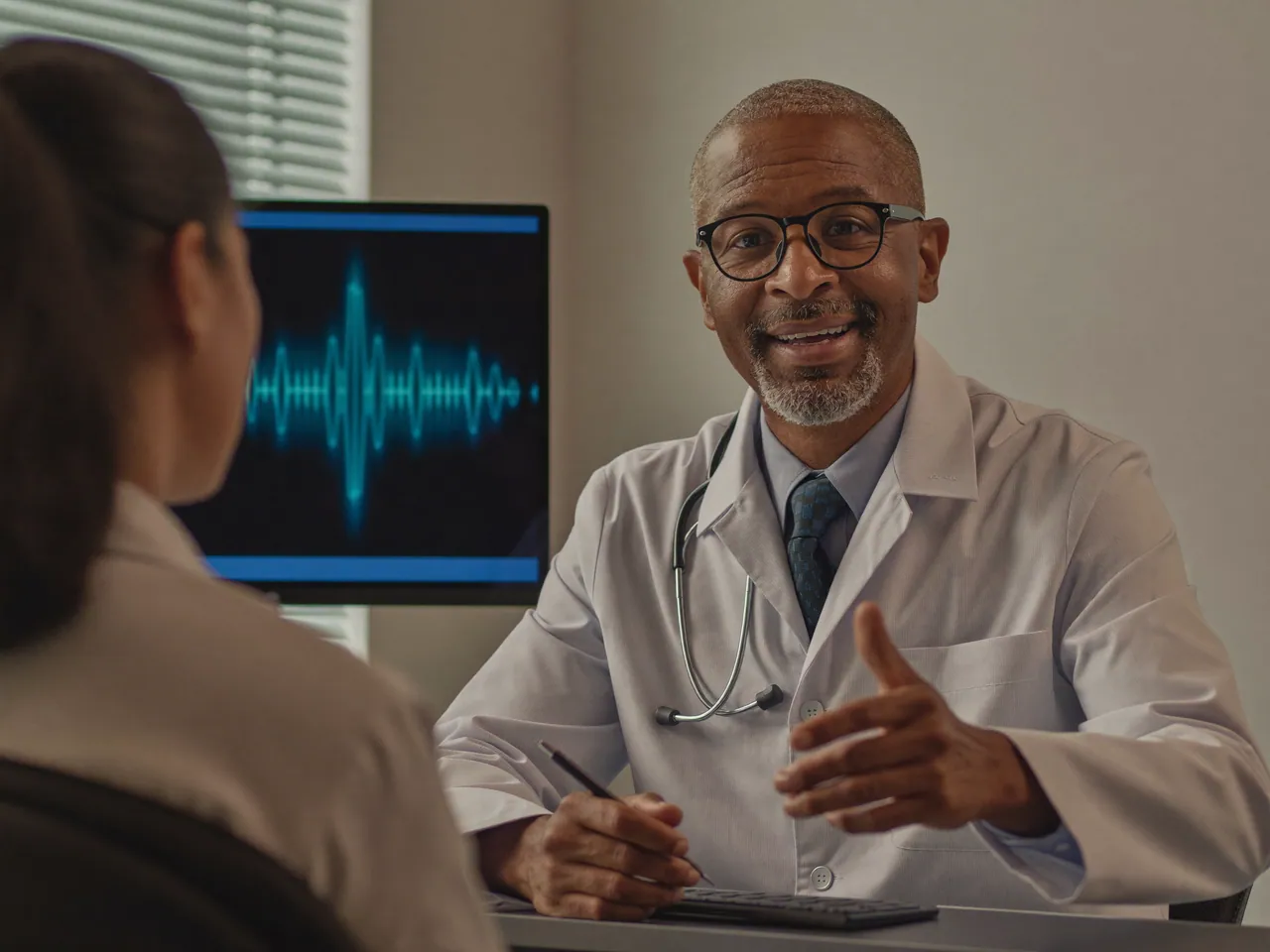
One microphone, started once at the beginning of the consultation. Speech is transcribed live on a medical speech model prompted per consultation with the patient's own medicines, allergies and recorded conditions alongside South African drug names and scheme vocabulary. In a telehealth call the clinician and the patient are captured as two discrete audio channels, so who said what is a fact rather than a statistical guess. The conversation then proposes the fields of the structured consultation workflow — presentation, history, examination, differential and SOAP — and every proposal carries the passage of the conversation it came from. Nothing reaches the clinical record until the clinician confirms it, and a proposal that cannot point at something actually said is discarded rather than written.
Why it matters here
Documentation is the largest uncompensated cost in a consulting room, and the scribe products competing for it stop at a note the clinician then re-types elsewhere. Because the record here is already structured, the same conversation can carry through to the ICD-10 code, the tariff and the claim. The safety line is drawn deliberately: prescriptions, doses and billing codes are excluded from automatic proposal, because a mis-heard dose is a patient-safety event and a mis-heard tariff is a fraudulent claim.